Day 2: RAG Architectures
1. Simple RAG
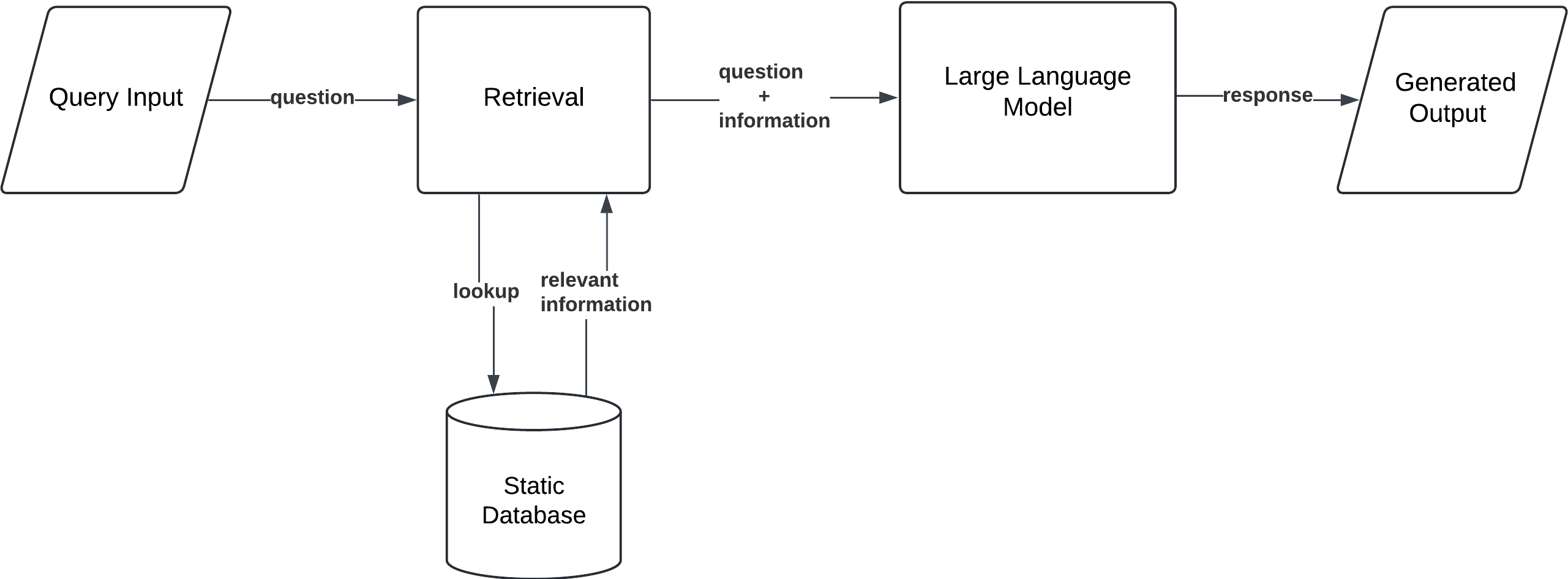
- Workflow: Query → Retrieve → Generate
- Use Case: FAQ systems, limited knowledge bases
- Pros: Simple, fast, deterministic retrieval
2. Simple RAG with Memory
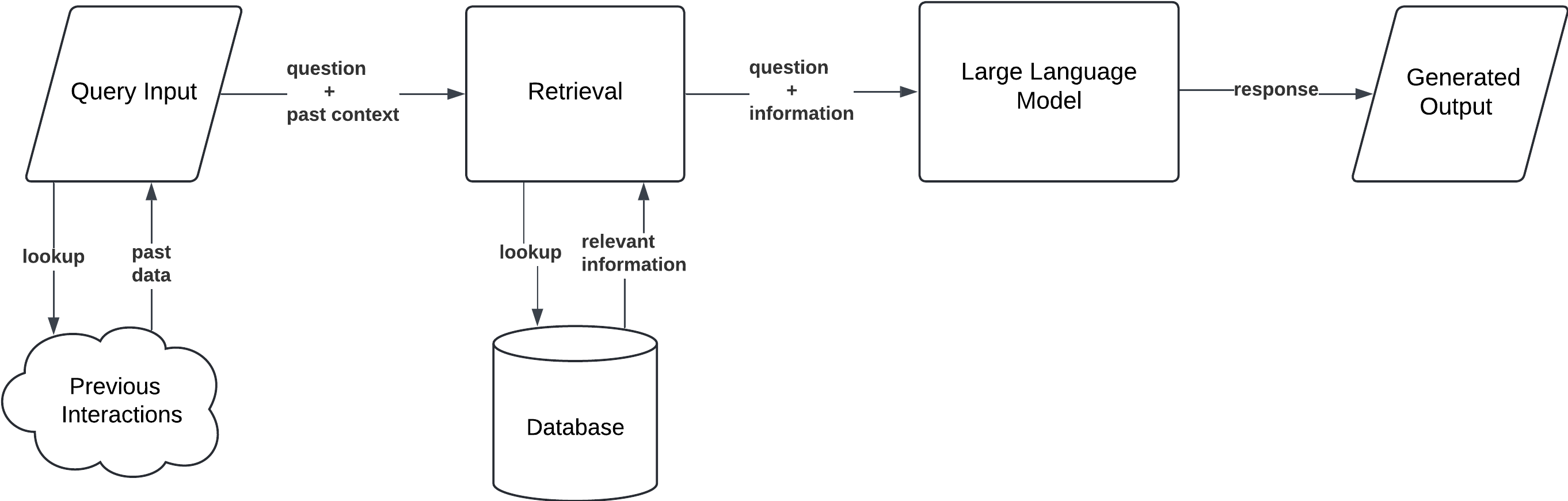
- Addition: Conversation history
- Workflow: Query + History → Retrieve → Generate
- Use Case: Customer service chatbots, personalized recommendations
3. Branched RAG
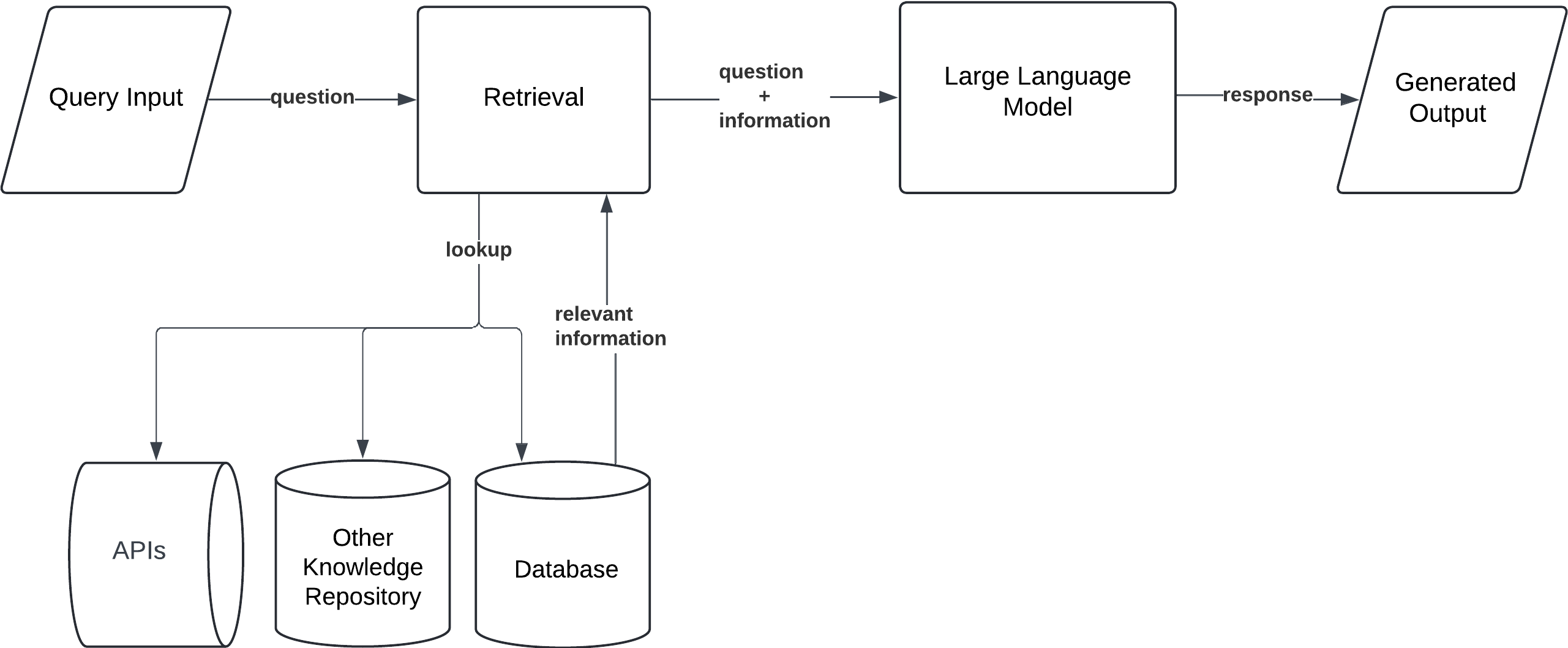
- Concept: Route query to specific sources
- Workflow: Query → Classifier → Specific DB → Generate
- Use Case: Legal tools, multidisciplinary research
4. HyDe (Hypothetical Document Embedding)
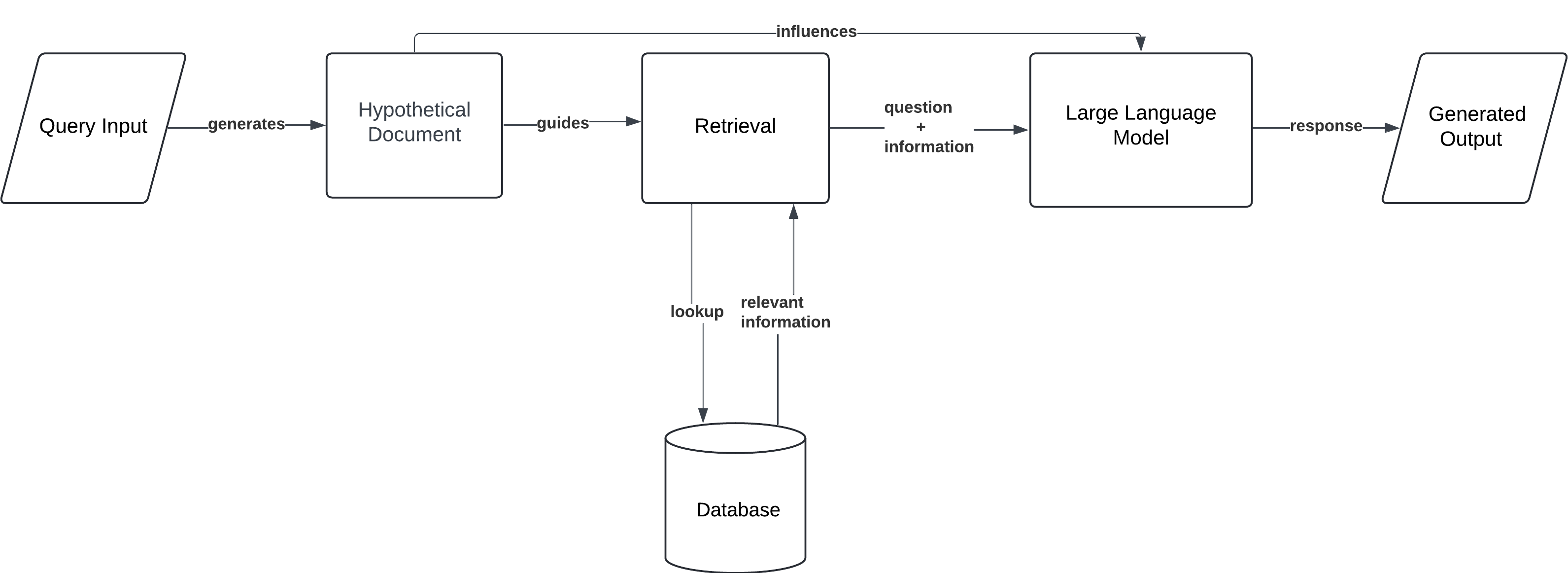
- Concept: Generate answer first, then retrieve
- Workflow: Query → Hypothetical Answer → Embed & Retrieve → Generate
- Use Case: Vague queries, creative content, R&D
5. Adaptive RAG
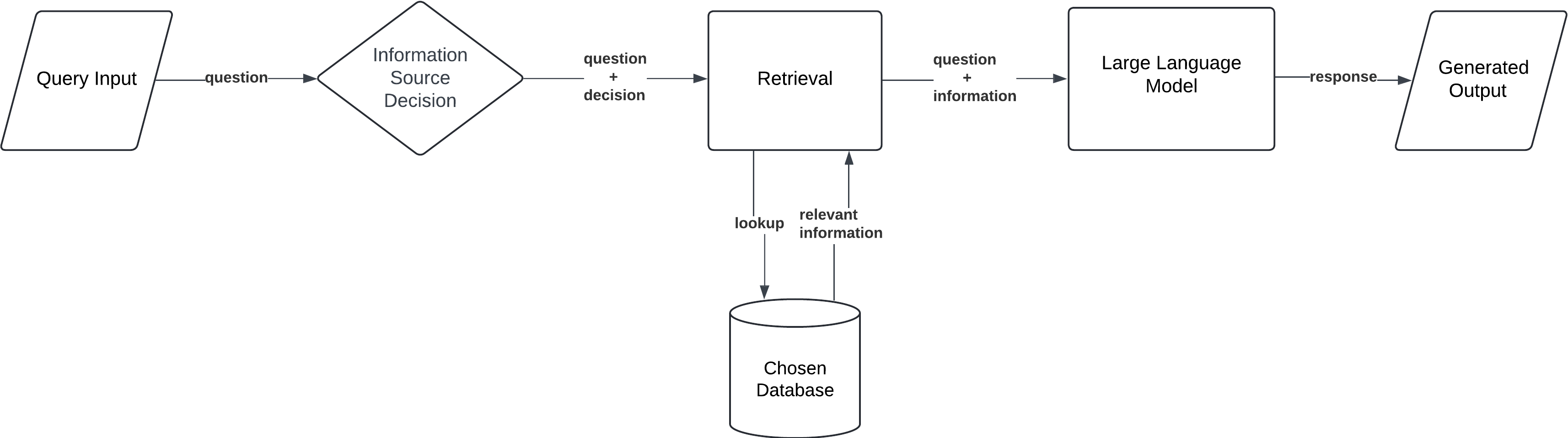
- Concept: Adjust strategy based on complexity
- Workflow: Query → Complexity Analysis → Strategy A/B/C → Generate
- Use Case: Enterprise search, varying query difficulty
6. Corrective RAG (CRAG)
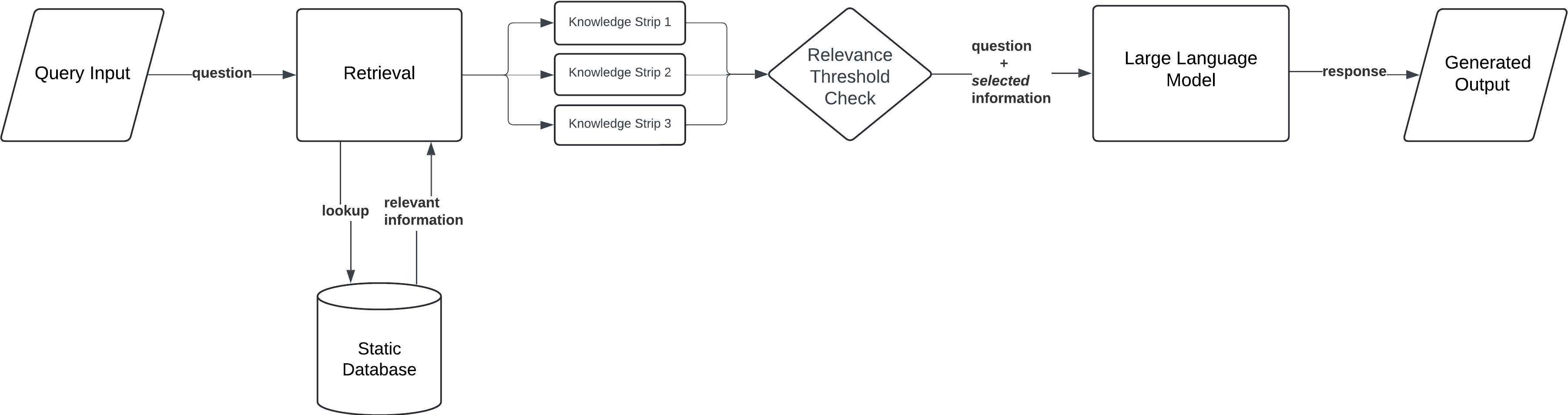
- Concept: Evaluate retrieval quality
- Workflow: Query → Retrieve → Grade Documents → (Web Search if poor) → Generate
- Use Case: High-accuracy domains (Medical, Legal)
7. Self-RAG
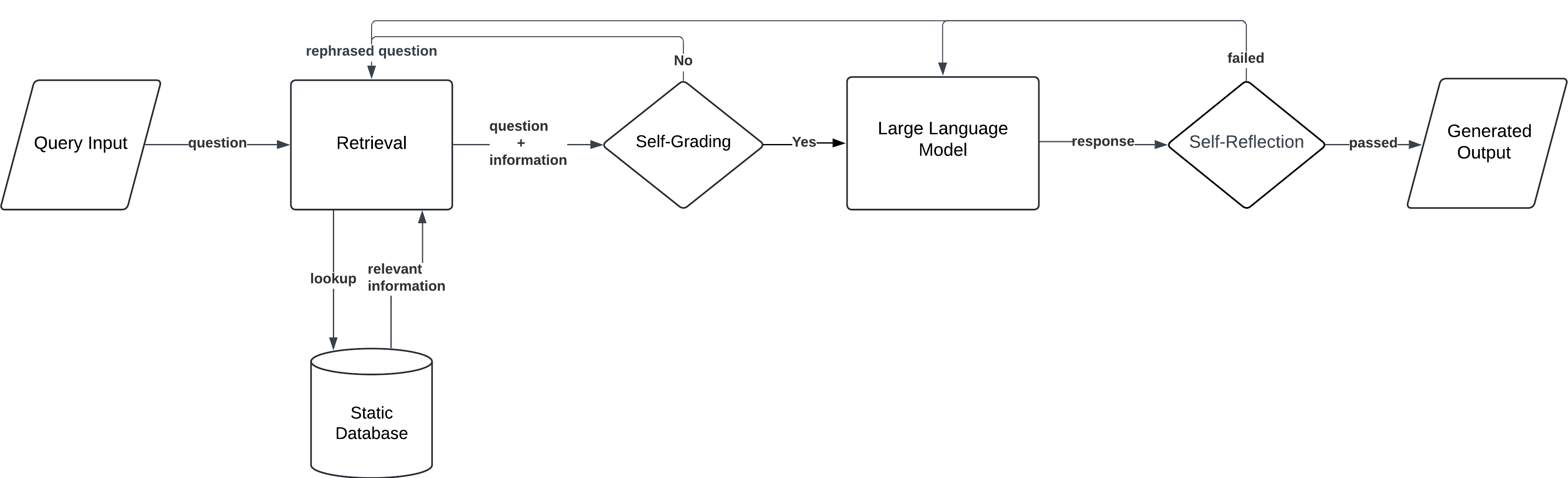
- Concept: Model self-queries during generation
- Workflow: Generate → Critique → Retrieve More → Generate
- Use Case: Long-form content, exploratory research
8. Agentic RAG
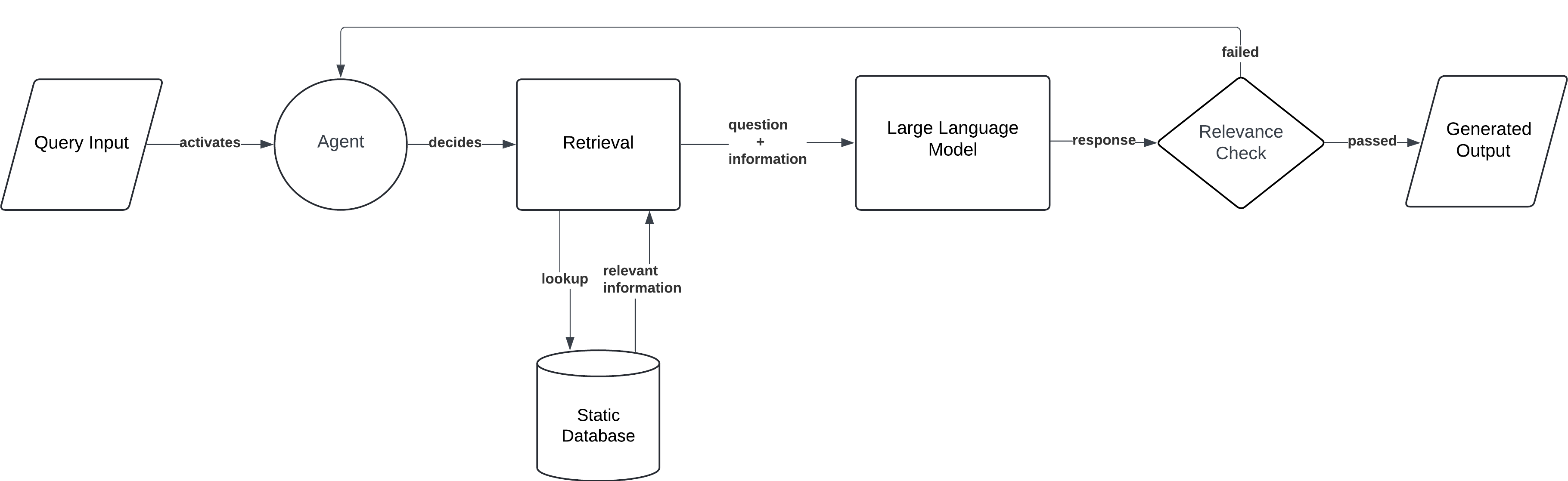
- Concept: Agents orchestrate retrieval
- Workflow: Meta-Agent → Document Agents → Synthesis
- Use Case: Complex research, multi-source aggregation
