The Problem: Linear Models Fail
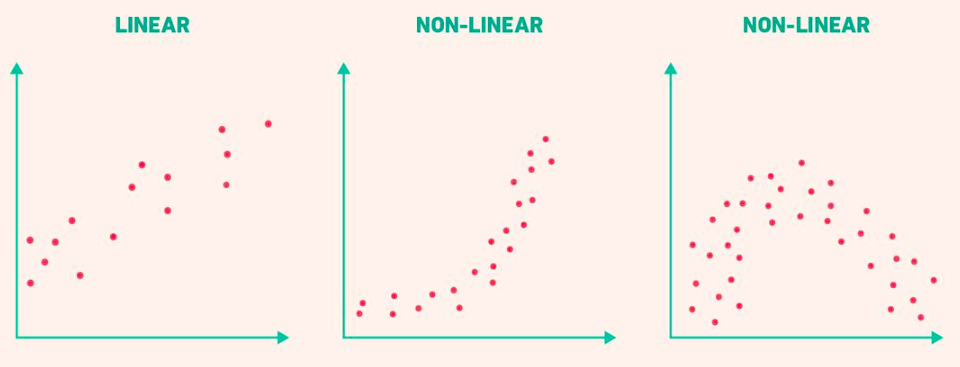
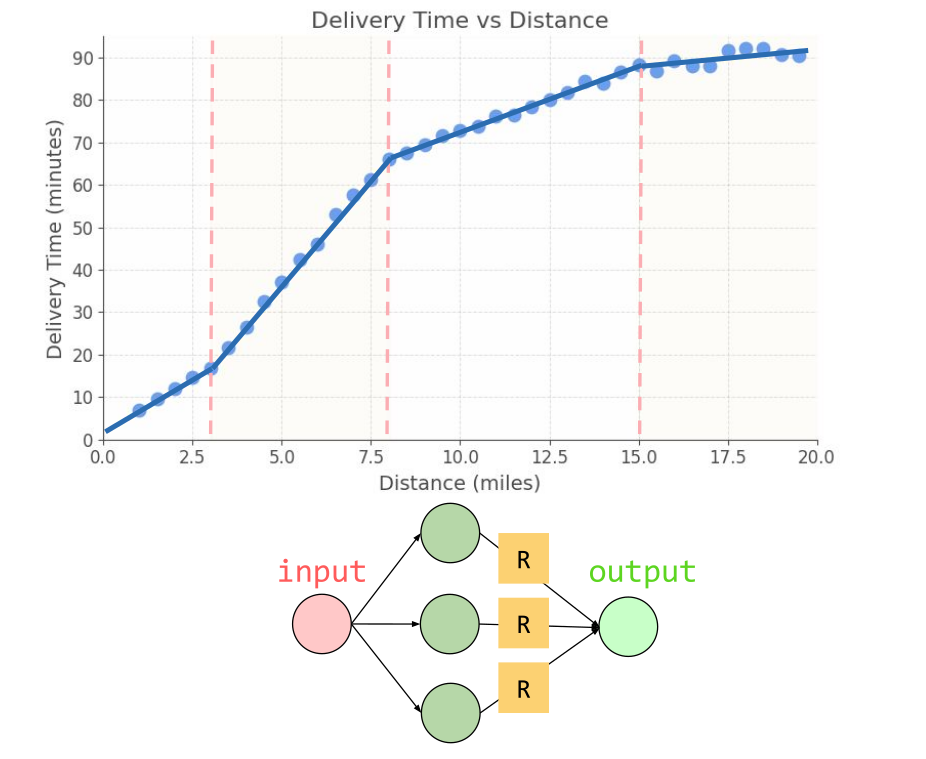
Delivery company expanded: bike-only → city-wide with cars
Discovery: Delivery times stopped following a straight line
![]()
Why Linear Models Fail
Reality:
- First few miles: dense city traffic (slow)
- Further out: highways (faster)
- The relationship curves
Linear assumption: every mile needs the same time
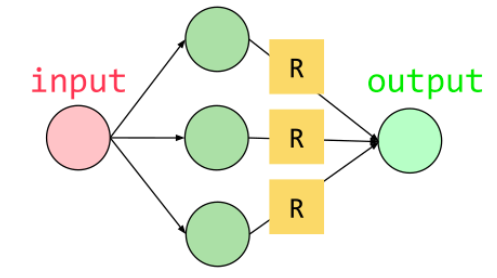
Adding More Neurons?
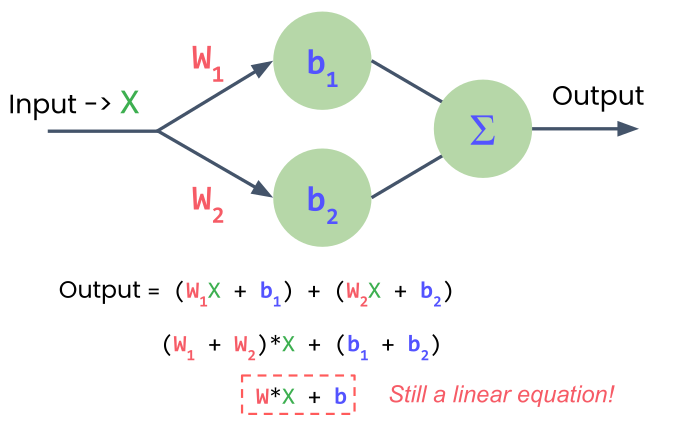
One neuron → one output
Two neurons → two outputs
Need: combine outputs into one prediction
Problem: Still just a linear equation!
![]()
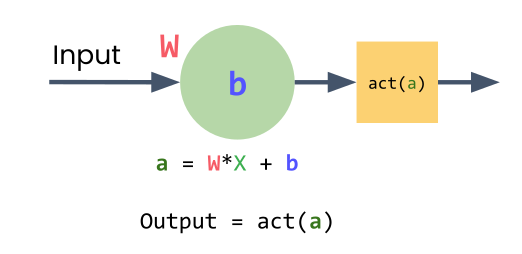
The Solution: Activation Functions
Non-linear transformations applied to each neuron
Enables learning curves, not just straight lines
![]()
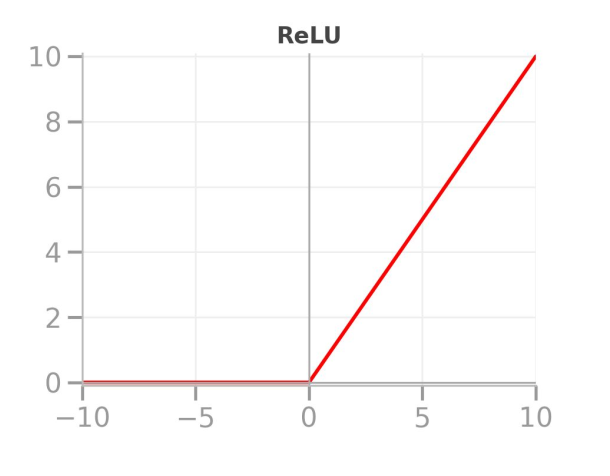
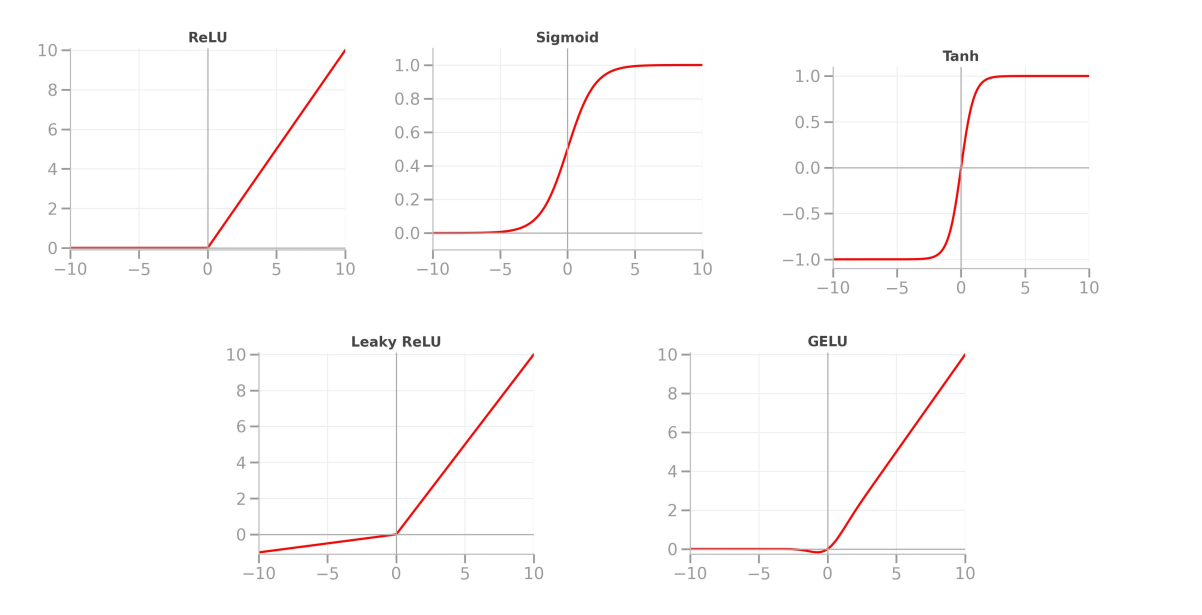
ReLU: Rectified Linear Unit
Simple rule:
- If input < 0 → output = 0
- If input ≥ 0 → output = input
Most popular activation function in deep learning
![]()
How ReLU Creates Non-Linearity
![]()
Without ReLU: straight line
With ReLU:
- When wx + b < 0 → flat line at 0
- When wx + b ≥ 0 → follows the line
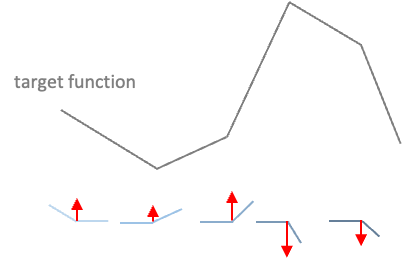
Result: A bend, a corner where behavior changes
Multiple Neurons, Multiple Bends
One neuron → one bend
Multiple neurons → multiple bends → smooth curve
![]()
Building the Model in PyTorch
model = nn.Sequential(
    nn.Linear(1, 3),  # 1 input, 3 neurons
    nn.ReLU(),         # activation function
    nn.Linear(3, 1)   # 3 inputs, 1 output
)
Only two linear layers (ReLU is not a layer)
![]()
More Neurons = Smoother Curves
![]()
Each neuron learns: Where to activate and how strongly to contribute
Other Activation Functions
Sigmoid: outputs 0-1 (great for probabilities)
Tanh: outputs -1 to +1 (useful for many tasks)
![]()
ReLU: most common choice for hidden layers
Lab 2: Modeling Non-Linear Patterns with Activation Functions
“In theory, there is no difference between theory and practice. In practice, there is.”
START WITH LAB 2
What’s Next?
In Session 4: Working with Tensors we learn:
- Understanding tensor shapes
- Data types in PyTorch
- Reshaping and indexing
- Element-wise operations and broadcasting